
Signal Private Messenger
Screenshots

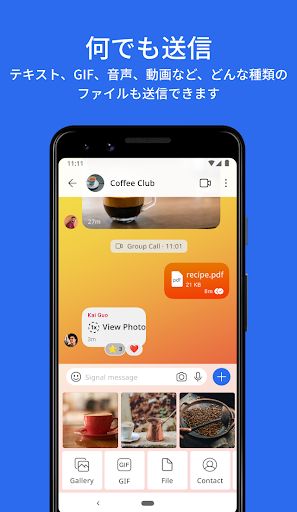
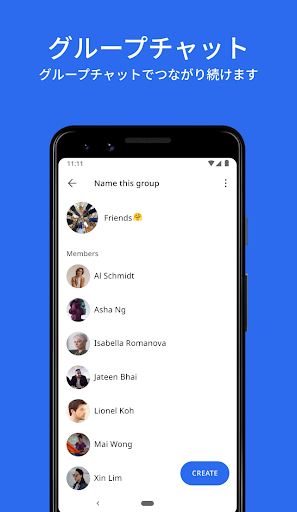
What is Signal Private Messenger
Secure conversations with Signal Private Messenger, the open-source app focused on strong end-to-end encryption and minimal metadata. Download now to replace insecure texting with private messaging, voice, and video calls that prioritize user privacy and transparency.
📌 Core Features
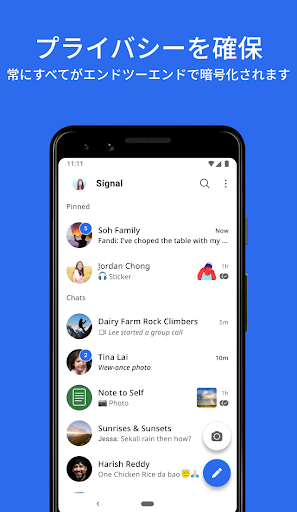
End-to-end encryption: Messages, voice, and video calls use the Signal Protocol to ensure content is unreadable by intermediaries. Encryption is enabled by default for one-to-one and group conversations to protect communications in transit. 🔐
Minimal metadata design: Server-side data retention is intentionally limited to reduce traceability and risk. No message history or contact lists are stored on servers to minimize exposure. 🕵️
Open-source and auditable: App and server code are public for independent review and security audits. Transparent changelogs and third-party assessments increase accountability and trust. 🔍
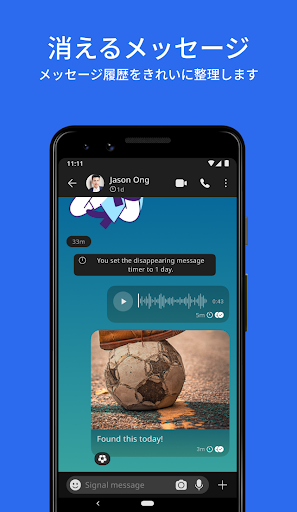
Built-in privacy tools: Disappearing messages, view-once media, sealed sender, screen security, and call relays reduce persistent footprints and sender metadata. Per-chat settings allow tailoring protections to different contacts and situations. 🛡️
Cross-device linking and calls: Link mobile, tablet, and desktop clients to sync encrypted messages across devices while preserving end-to-end security. High-quality voice and video calls operate globally with the same protection as messaging. 📞
👍🏼 Pros
Industry-leading privacy: Default E2E encryption and a metadata-minimizing architecture deliver strong user privacy compared with mainstream apps. Low-opinionated defaults reduce configuration mistakes that expose data. ✅
No ads or trackers: No advertising, tracking SDKs, or commercial data harvesting are built into the app. Nonprofit funding and donations avoid monetization pressures that compromise privacy. 💯
Transparent security posture: Public codebase and frequent security reviews enable rapid vulnerability discovery and fixes. Community scrutiny and contributions strengthen long-term resilience. 🛠️
Efficient on varied networks: Adaptive codecs and optimized protocols keep calls and messaging usable on low-bandwidth connections. Modest resource demands help the app run well on older hardware. ⚡
Simple UX with secure defaults: Intuitive interface keeps strong privacy protections enabled without complex user setup. Security controls are accessible for users who want to adjust advanced options. 🎯
👎🏼 Cons
Phone-number requirement: Account registration requires a phone number which can link identity to other services or public records. Alternative sign-up methods are limited and add friction for anonymous use. 📱
Smaller network effect: Adoption is lower than major social platforms, which can limit reach to contacts who already use Signal. Converting social circles to a private app may require outreach and coordination. 👥
No default cloud message history: Cloud-based message history sync is not provided by default, complicating seamless migration between devices. Manual encrypted backups or device linking are necessary to preserve long-term conversations. 💾
Fewer integrations: Limited third-party integrations, bots, and enterprise workflow connectors reduce automation and extensibility. Large-scale deployments may need additional tooling for admin features and analytics. 🔗
Regulatory pressure risks: Legal mandates in some jurisdictions can create pressure to change operational practices despite cryptography. Reliance on legal resilience varies by country and may affect long-term availability. ⚖️
💰 Prices
Signal is free to download and use, maintained by the nonprofit Signal Foundation and funded via donations and grants. No ads, subscriptions, or data-driven monetization are required; optional donations help support development and infrastructure.
Similar Apps